After hours is when some of your most valuable business comes in. An emergency. A first-time customer ready to book. A patient who needs a same-day slot. A buyer who wants to see the listing tomorrow. An account with a problem that has been building. No one is there to take these calls, so they go to voicemail, and the callers who could not wait start dialing the next business on their list.
By the time you reopen, every one of those after-hours missed calls looks the same on the screen. A name and a time tell you nothing about who was ready to sign, who was about to cancel, and who had a real emergency. What separates them lives inside each message, and you only find it by listening to all of them before you start calling anyone back. Return them in the order they arrived and a routine question goes ahead of the customer you could least afford to lose.
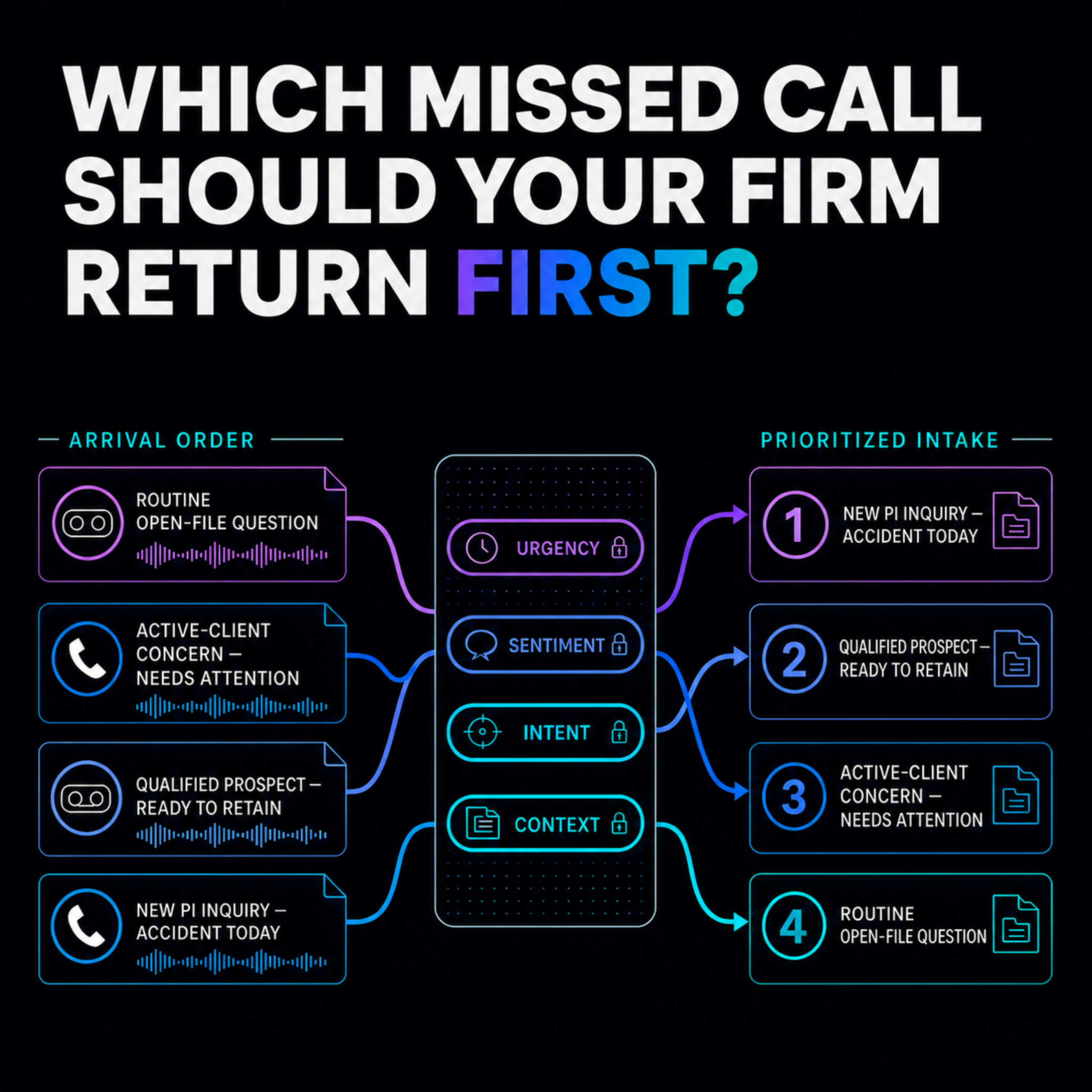
Voicemail-to-text and transcription already record what came in overnight, so capture is not the problem. Reading a full morning of messages and knowing which one to return first is. This is where a callback prioritization platform like Numoloo helps: it analyzes every call and voicemail for urgency, sentiment, and intent, then prioritizes the callback order for you. You place every call yourself. You just start with the one that cannot wait instead of the one that happened to come in first.
Key Takeaways
- After-hours missed calls arrive as a batch, so the problem is sorting the batch, not answering one call faster.
- Working the stack in arrival order treats a first-time emergency the same as a routine question.
- The cost of after-hours calls is not volume alone. It is the high-value callers who reach a competitor before they reach you.
- Voicemail-to-text tells you what was said. It does not tell you which message to return first.
- Numoloo analyzes each call and voicemail and prioritizes the callback order. You place every call.
- You can estimate the cost with three numbers you already track: missed calls, average order value, and conversion rate.
Why does callback order matter more than speed after hours?
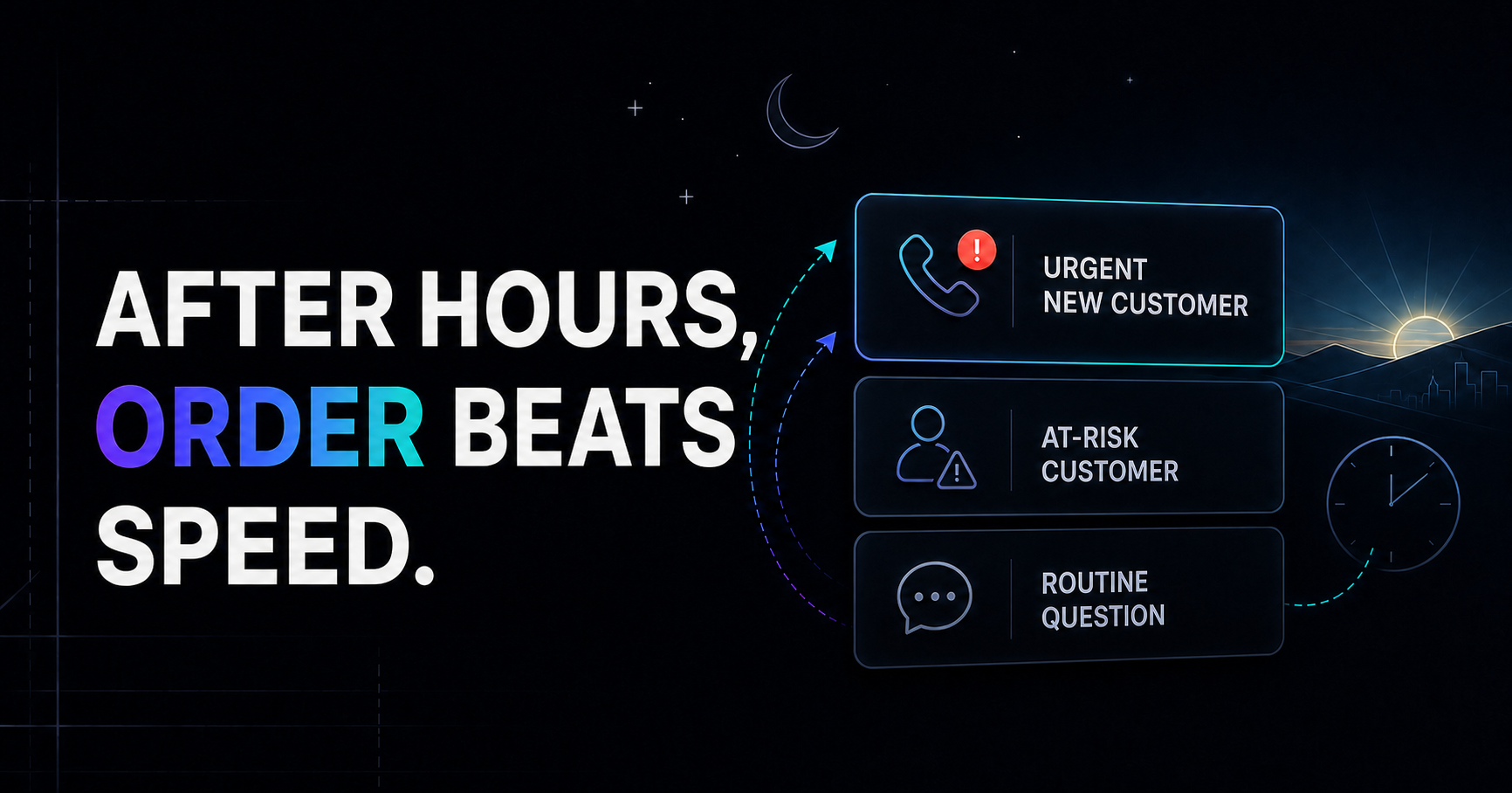
The businesses that lose the most after hours are not the ones that call back slowly. They are the ones that call back in the wrong order. When a night, a weekend, or a holiday leaves ten or thirty messages behind, returning them fast still fails if the first number you dial is a routine question and the customer with a real emergency is halfway down. By the time you reach that customer, they have already found someone who picked up.
Speed only helps once you are working the right message. Order is what you control when the volume is more than you can return at once. Return the first-time caller with an urgent problem before the one confirming a detail, and you keep the customer who was closest to walking. Arrival order ignores everything about the caller except the minute they dialed, which is the one thing that does not tell you what their call is worth.
Why do after-hours callbacks all look the same in the morning?
The hard part is that the customer who could not wait looks exactly like the one who could. A new-patient booking, a cancellation you could still backfill, an escalation from an account about to leave: on the screen, each one is a name and a time. Nothing about that view tells you who was ready to sign and who was comparing you against three other numbers.
What separates them is what the caller said and how they said it, and that stays inside each voicemail until you listen to every one. Listening to all of them before you return a single call is the task you have the least time for once the day has started, so the sorting either does not happen or happens by guesswork. Either way, the customers you could least afford to lose are the ones most likely to hear back too late.
How after-hours missed calls play out across businesses
The stack looks different by business, and the sorting problem is the same.
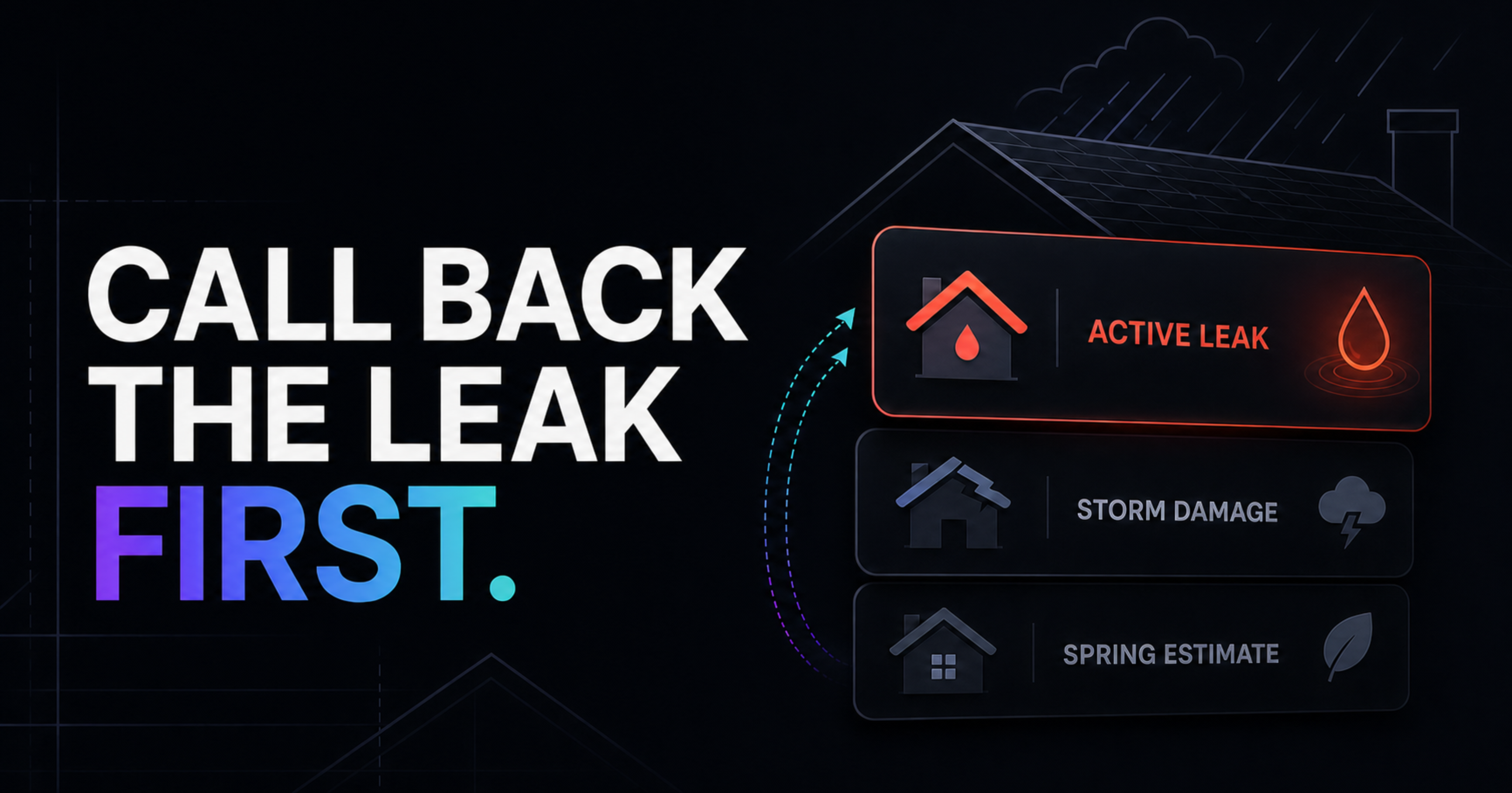
- Home services: An overnight message about a burst pipe or no heat is a job you win by calling first. A message asking about a future estimate can wait an hour without costing you anything.
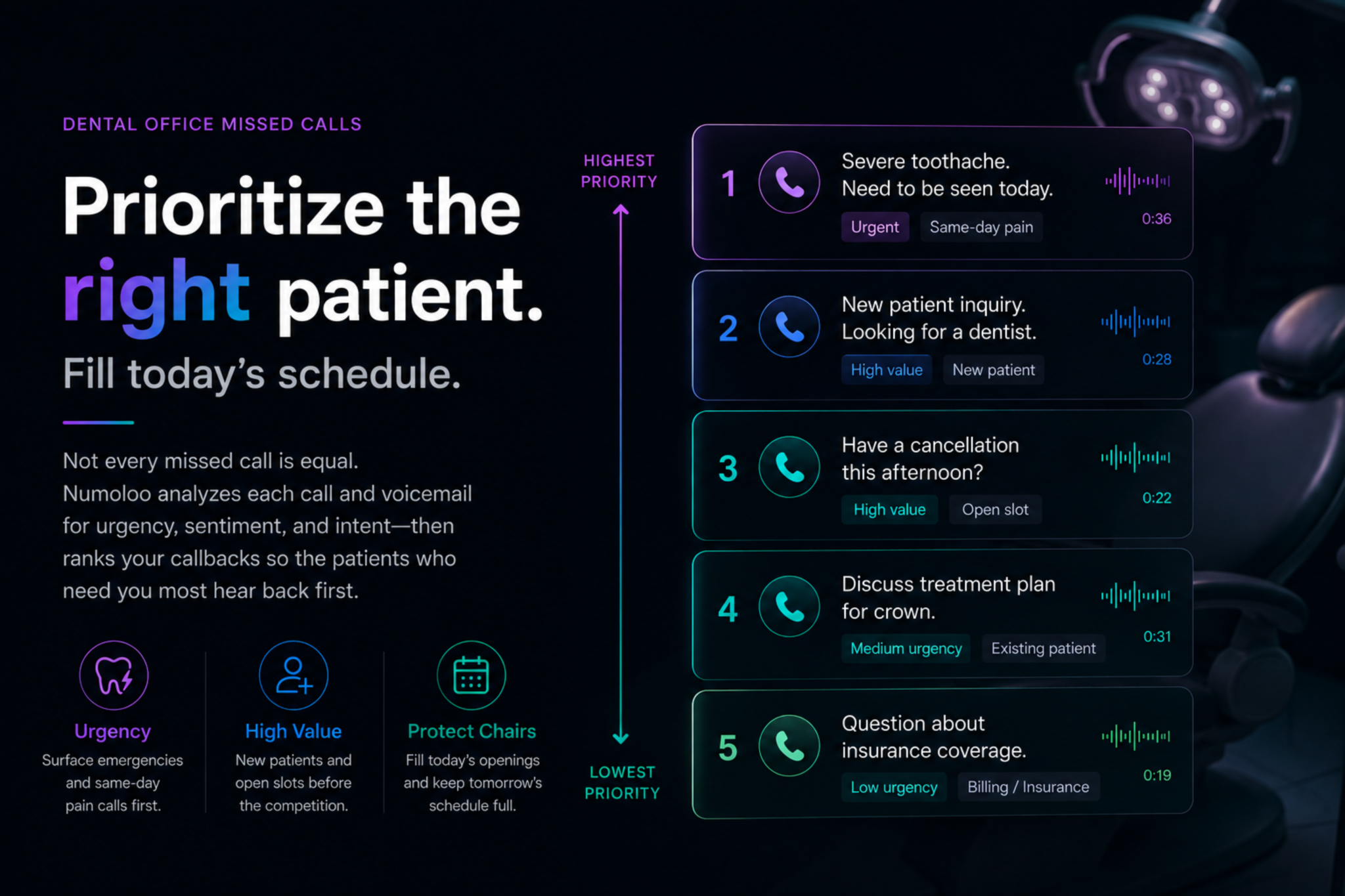
- Appointment-based businesses: A dental office, clinic, or med spa reopens to voicemails that mix new-patient bookings, a same-day cancellation to backfill, and routine questions. The booking and the open slot are the revenue.
- Real estate: A weekend voicemail from a buyer ready to see a listing today is a different call than one asking a general question. Return them out of order and the ready buyer tours with another agent.
- Consultants and agencies: A prospect who called after hours and left a detailed message is closer to signing than one who left a name and number. The detailed one is the client you lose by calling last.
- Sales and support: An at-risk account that called to escalate is not the same as a check-in. Return the escalation late and the stake is retention, not a new sale.
What are your options for handling after-hours missed calls?
| Option | What it does | What it leaves to you |
|---|---|---|
| Answering service | A person answers live and takes a message after hours | You still decide who to call back first the next morning |
| AI receptionist | Answers the call and handles simple booking or routing | Handles the pickup, not the callback order on messages left elsewhere |
| Voicemail-to-text / transcription | Turns each voicemail into readable text | You read every message to figure out which one to return first |
| Callback prioritization (Numoloo) | Analyzes every call and voicemail and prioritizes the callback order | You place each call, starting with the one that will not wait |
An answering service and an AI receptionist help you catch the call. Callback prioritization helps you with what happens after: the pile of messages waiting when you reopen, and the order you work through them.
How does Numoloo prioritize after-hours callbacks?
Numoloo analyzes every inbound call and voicemail for urgency, sentiment, and intent, then prioritizes which callback to make first. Instead of a screen of equal-looking messages, you get an ordered list with the reason each one is near the top, plus a summary and a pre-drafted response email for each conversation.
- Analyzes each message: Numoloo detects how urgent the caller is, how they sound, and what they want.
- Prioritizes the order: Numoloo puts the highest-stakes callback first so you start there when you reopen.
- Prepares the callback: Numoloo delivers a summary and a drafted email for each conversation, so you place the call already knowing the context.
Numoloo is CRM-agnostic and needs no sales infrastructure to start. It does not answer your phone, and it does not call anyone for you. You make every call. Numoloo decides the order so the first hour back covers the messages that cannot wait. Start your free trial. No credit card required.
How do I estimate what after-hours missed calls cost me?
You can estimate it with three numbers you already track. Use the missed-call calculator and this formula:
Missed calls or voicemails × conversion rate × average order value = estimated cost
Fill in your own numbers. Count the after-hours calls and voicemails you get in a typical week. Apply the rate at which a returned call turns into a booking or sale. Multiply by your average order value. The result is what the after-hours stack is worth, and the reason its order is worth getting right.
Frequently asked questions
Should I return after-hours calls in the order they came in?
No. Arrival order treats an urgent first-time caller the same as a routine question that came in earlier. When a full stack is waiting, return the highest-stakes messages first so the callers closest to leaving hear back in time.
How do I calculate what after-hours missed calls cost me?
Multiply your after-hours missed calls or voicemails by your conversion rate and your average order value. Those are the three inputs in the missed-call calculator. The result estimates the revenue tied to the messages waiting when you reopen.
Is an answering service enough for after-hours calls?
An answering service catches the call and takes a message, which is useful. It does not sort the messages you get the next morning by which one to return first. Callback prioritization covers that second step.
Can Numoloo call people back for me?
No. Numoloo analyzes your calls and voicemails and prioritizes the callback order. You place every call yourself, starting with the message Numoloo puts first.
Does Numoloo work if a caller leaves no voicemail?
Numoloo analyzes calls and voicemails, so it works from the audio a caller leaves. A missed call with no message leaves no audio to analyze, so a voicemail or recorded call is what Numoloo prioritizes from.
The order is the decision
After hours, you cannot change how many people call while you are closed. You can change which ones hear back first when you reopen. That order is the difference between keeping a high-value customer and reading their name in a competitor's new-client list. Learn more about callback prioritization and how missed calls leave empty appointment slots, or see how the callback prioritization platform works.