Most owners who ask this expect one number: what a missed call is worth, times the calls you miss. The real answer is less tidy and points somewhere else.
For a phone-driven business, the biggest cost usually comes from a call you did answer, the high-value caller you called back too late, after working down a list of everyone who phoned earlier.
A missed callback is any inbound call or voicemail you fail to return in time to keep the business, whether you never picked up or picked up and called back in the wrong order.
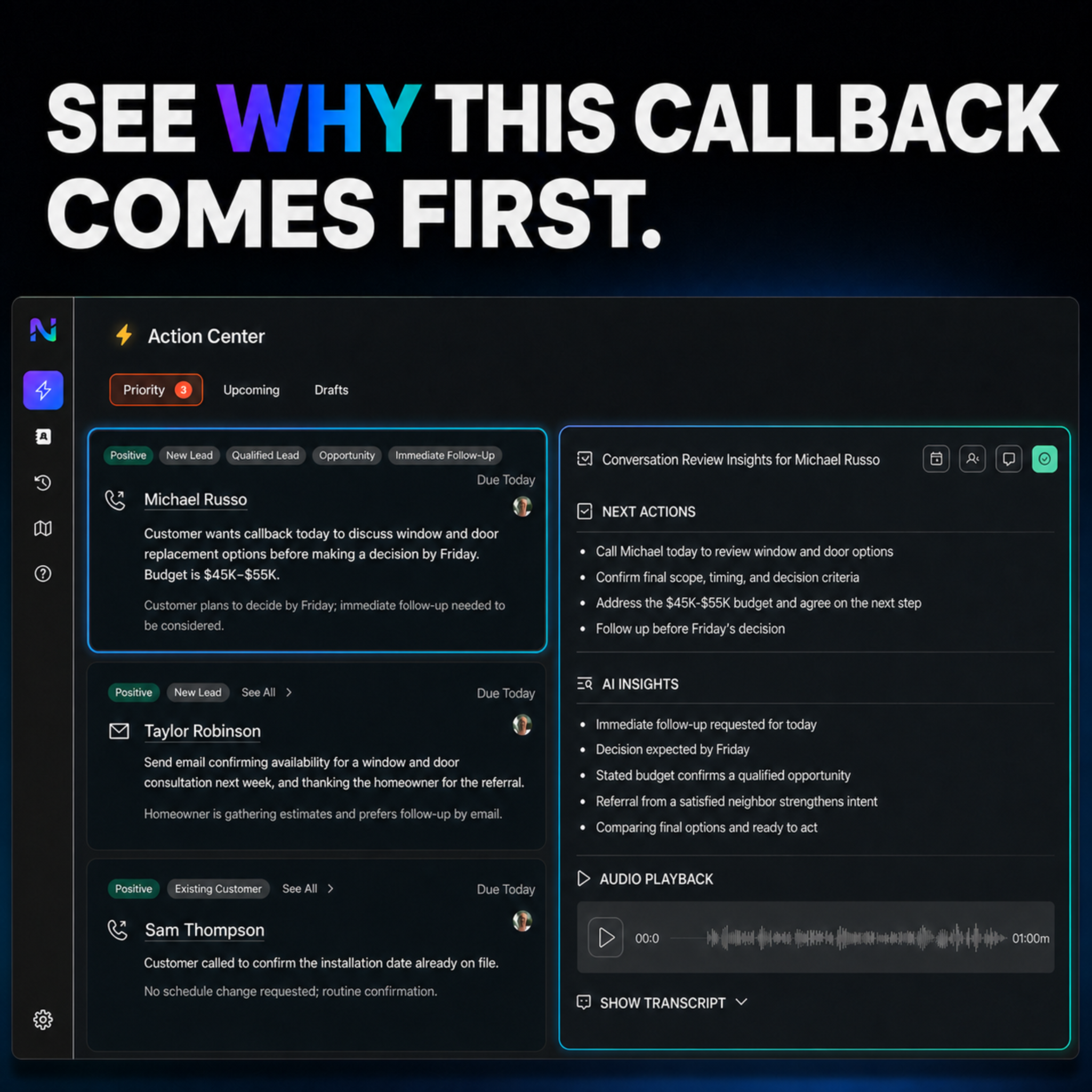
Numoloo is a callback prioritization platform that analyzes every call and voicemail for urgency, sentiment, and intent, then prioritizes which conversation to return first, so the ready-to-buy caller reaches you before a competitor does.
The aim is to turn every conversation into a revenue opportunity, which starts with knowing what a missed callback truly costs you.
This article breaks that cost into parts you can measure, gives you a way to estimate your own exposure without a borrowed benchmark, and shows why calling back faster does not close the leak on its own.
Key Takeaways
- The real cost of a missed callback is the value of the ready-to-buy caller you returned too late, not the raw count of calls you did not answer.
- You can estimate your own exposure from four numbers: daily missed or voicemail calls, the shares that are high-value, the average value of that work, and the share you lose to late or out-of-order callbacks.
- Returning calls in the order they arrived treats arrival time as though it equals value. Those are different things, and the difference is what costs you.
- Answering more calls and recording every call are both useful, and neither one tells you which caller to return first.
- Numoloo analyzes every call and voicemail for urgency, sentiment, and intent, prioritizes the conversation to return first, and delivers a summary and a pre-drafted response email for each one.
What Does a Missed Callback Really Cost?
Two callbacks can look identical on the missed call list and carry very different values.
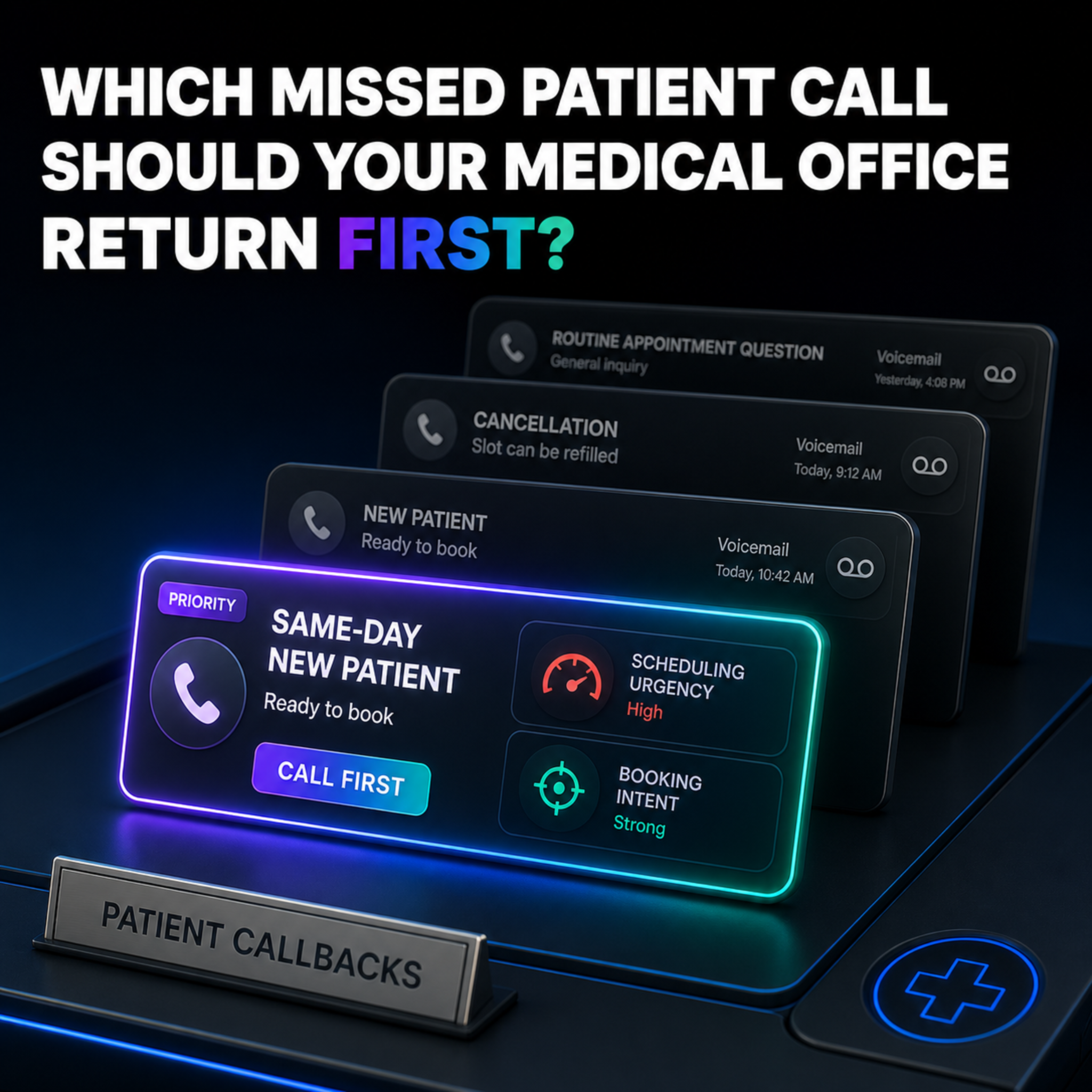
One voicemail is a homeowner ready to schedule a repipe. The other asks whether you are open on Saturday.
Both count as one missed call. Only one of them is a job worth thousands that a competitor will take if you reach the caller an hour after they hang up.
The cost of a missed callback has three parts:
- The direct value of the lost work. The revenue from the specific job, appointment, listing, or engagement you did not win because you called back too late.
- The future work attached to it. The repeat bookings, referrals, or long retainer that first job would have led to.
- The money you already spent to get the call. The phone line, the marketing that generated it, and the minutes you spent returning lower-value callbacks first.
The first part is measurable now. The other two are real but harder to pin down, so the estimate below focuses on the direct value of lost work and treats the rest as upside you are also giving away.
Returning your callbacks in the order the calls arrived treats arrival time as though it equals value. Those are different things, and the difference is what costs you.
How Do You Estimate Your Own Cost?
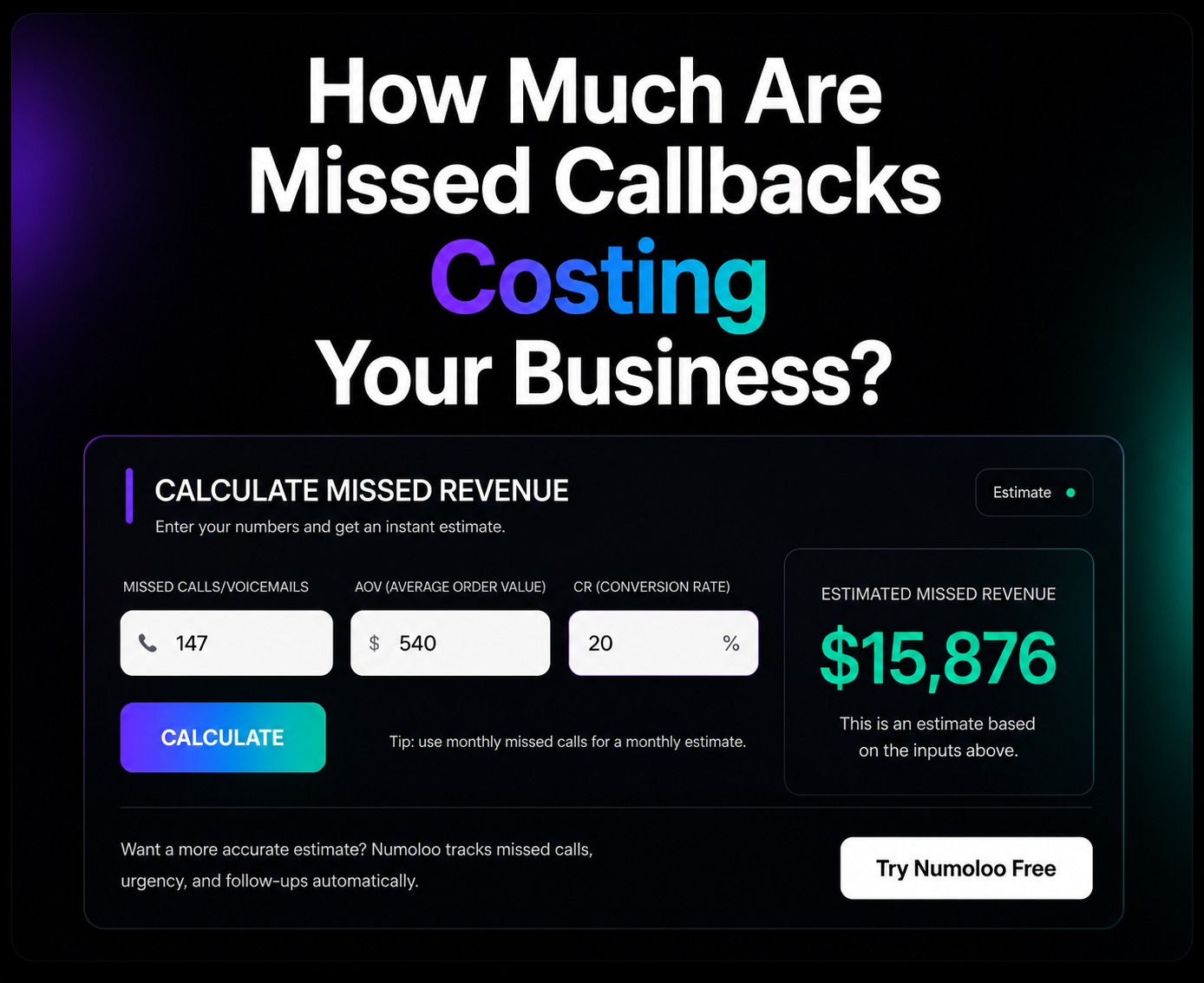
Skip the industry averages and use three of your own numbers.
Multiply them together:
- Missed calls and voicemails over a day or month.
- Average value of one job, order, or engagement.
- The share of those calls that would have turned into paying work.
The three multiplied together give your estimated missed revenue for that period.
Most of that number comes from a small group of ready-to-buy callers, which is exactly the group you reach last when you return calls in arrival order.
Alternatively, plug those same numbers into the Numoloo missed call calculator for an instant estimate.What's the Best Way to Handle Missed Calls?
| Approach | What it does | What it leaves unsolved | Best for |
|---|---|---|---|
| Answer more calls (live answering, AI receptionist) | Captures more inbound calls so fewer reach voicemail | Does not tell you which caller to return first | Businesses losing calls at pickup |
| Record and transcribe every call | Preserves every conversation as searchable text | Reading transcripts stays manual | Businesses needing a conversation record |
| Callback prioritization | Analyzes urgency, sentiment, and intent, then prioritizes callbacks | Works alongside the other two approaches | Businesses returning multiple callbacks at once |
Answering more calls and recording them are table stakes in 2026.
Most owners already have voicemail-to-text, call recording, and mobile apps that log every number.
What none of those systems tell you is which caller deserves the first callback.
You still make that decision manually, and getting it right is worth more than any other improvement on this list.
What Does This Look Like Across Different Businesses?
Home Service Contractors
A repipe, panel upgrade, or roof replacement is worth many times more than a routine service question. Return the routine call first and the install goes to another contractor.
Appointment-Based Businesses
A ready-to-book patient you return late becomes an empty chair today and often a customer who never comes back.
Real Estate Professionals
A caller ready to list or make an offer is worth far more than a general inquiry. Reach them second and another agent reaches them first.
Consultants and Agencies
A prospect with a real project and budget deserves priority over administrative calls.
Sales and Support
An at-risk account or escalation carries more value than a routine question. Returning routine calls first can turn a recoverable customer into a cancellation.
Every one of these businesses relies on the phone for revenue.
Most already have callback tools that capture voicemails and remind them to respond.
What those tools do not do is prioritize callbacks based on urgency, buying intent, emotional tone, and context.
Numoloo detects those signals automatically and puts the highest-value conversation first.
How Does Numoloo Prioritize Your Callbacks?
Numoloo analyzes every live inbound call, outbound call, and voicemail for urgency, sentiment, and intent.
It dynamically prioritizes which conversation to return next based on what the caller said, not when they called.
As new conversations arrive, the priority order updates automatically.
After every conversation, Numoloo delivers:
- A concise summary.
- A pre-drafted response email.
- A prioritized callback order.
Numoloo is CRM-agnostic and requires no sales infrastructure.
Whether you're a solo contractor or a growing practice, it helps reduce the number that matters most: the percentage of high-value callers lost because they were called back too late.
Try Numoloo free for 14 days. No credit card required.
Frequently Asked Questions
How much revenue do businesses lose from missed calls?
It depends far more on which calls you miss than how many. A single missed callback from a ready-to-buy customer can be worth more than dozens of low-value inquiries.
What does a missed call cost a small business?
The cost is the value of the work you lose plus the repeat business and referrals that customer would have generated.
How do I calculate the cost of missed callbacks?
Multiply missed calls, average job value, and your conversion rate. That provides an estimate of missed revenue using your own business data.
Does calling back faster fix missed calls?
Faster helps, but returning callbacks in arrival order still leaves high-value customers waiting behind lower-value ones.
How is callback prioritization different from an AI receptionist?
An AI receptionist helps answer more calls. Callback prioritization determines which missed conversation deserves your next callback.
How do I stop losing high-value jobs to late callbacks?
Return calls based on urgency, intent, and value instead of arrival time. Numoloo analyzes every conversation and builds that prioritized callback list automatically.
The Cost Is In The Order, So The Fix Is Too
Run the estimate using your own numbers because a generic average will never reflect your business.
Most of the cost comes from the ready-to-buy callers you reached last after working through everyone who happened to call earlier.
You already have the calls, the recordings, and the transcripts.
The part you can change is the order you return them.
So which callback is worth the most today, and does that caller get the first call back?